Why this exists.
Quantum Wings started from an information gap its founder went through himself.
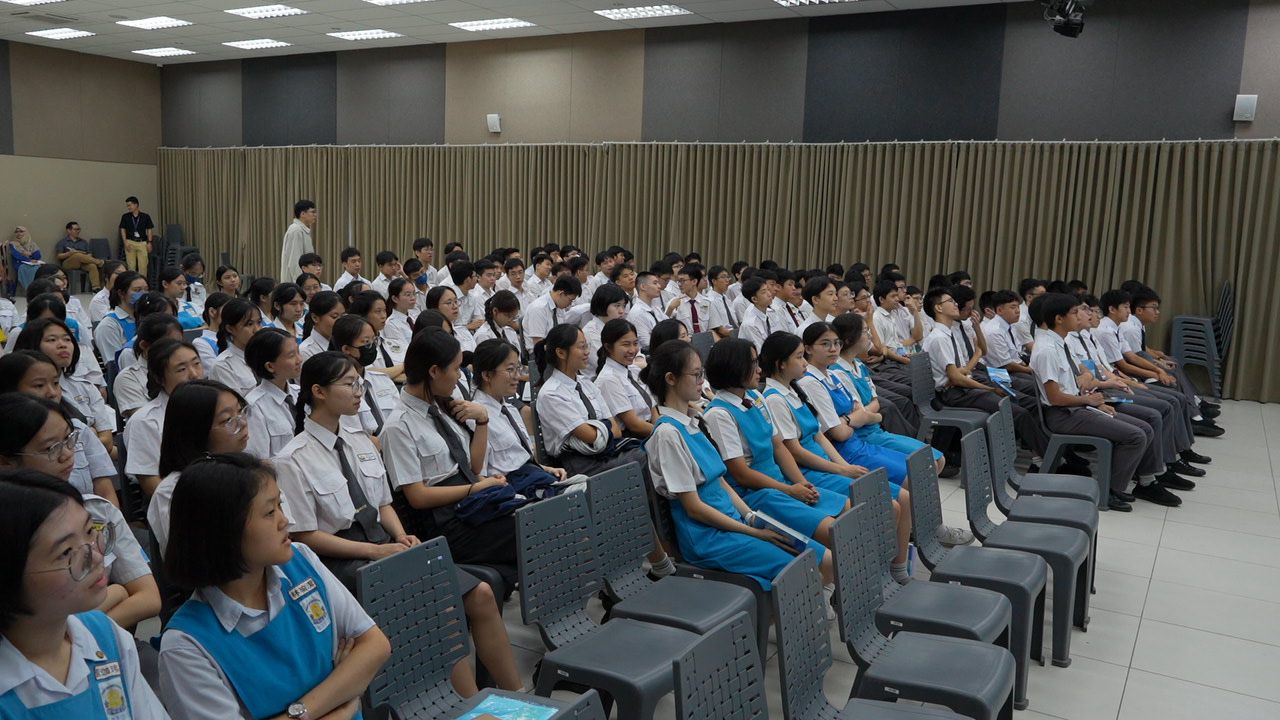
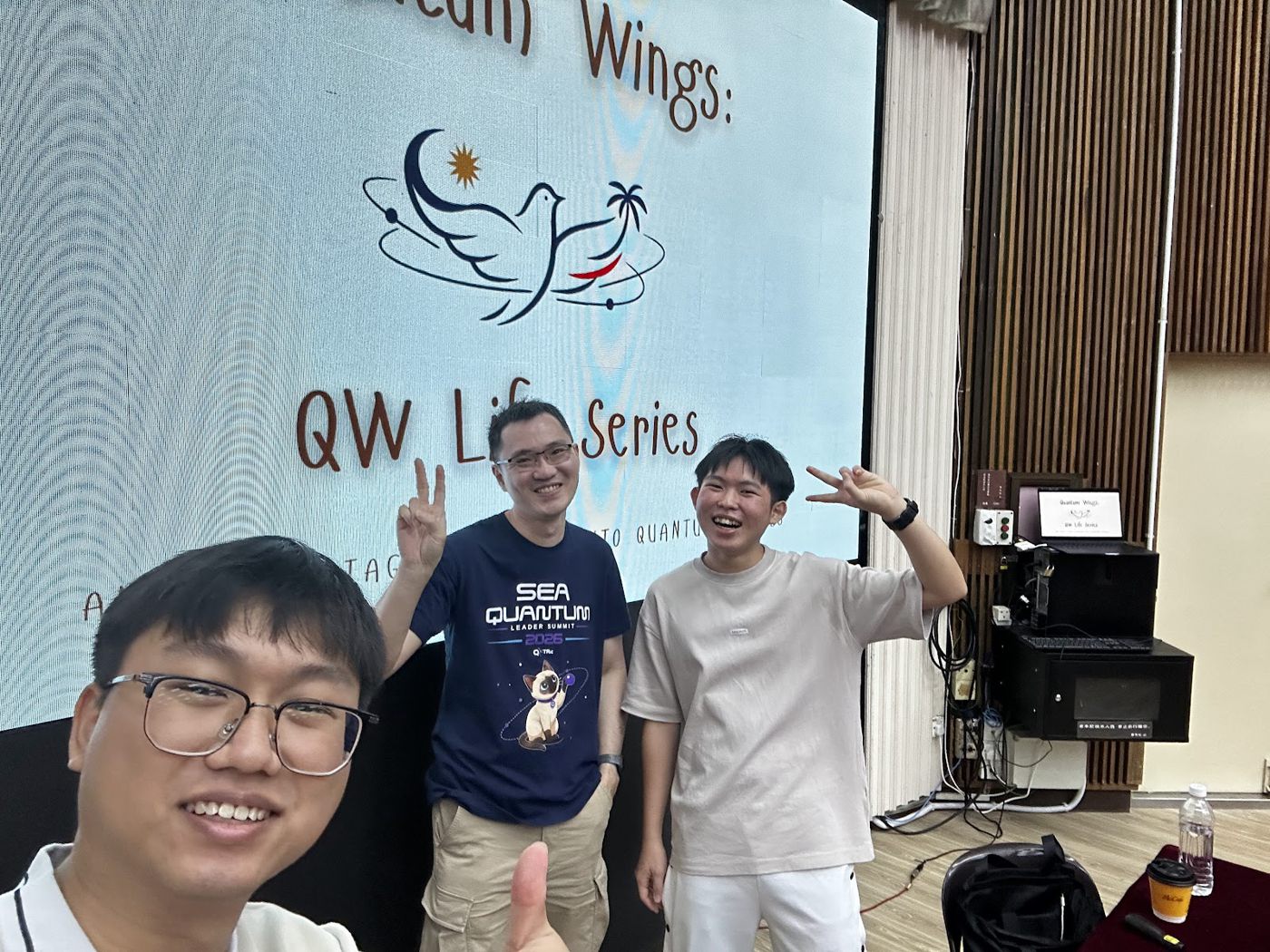
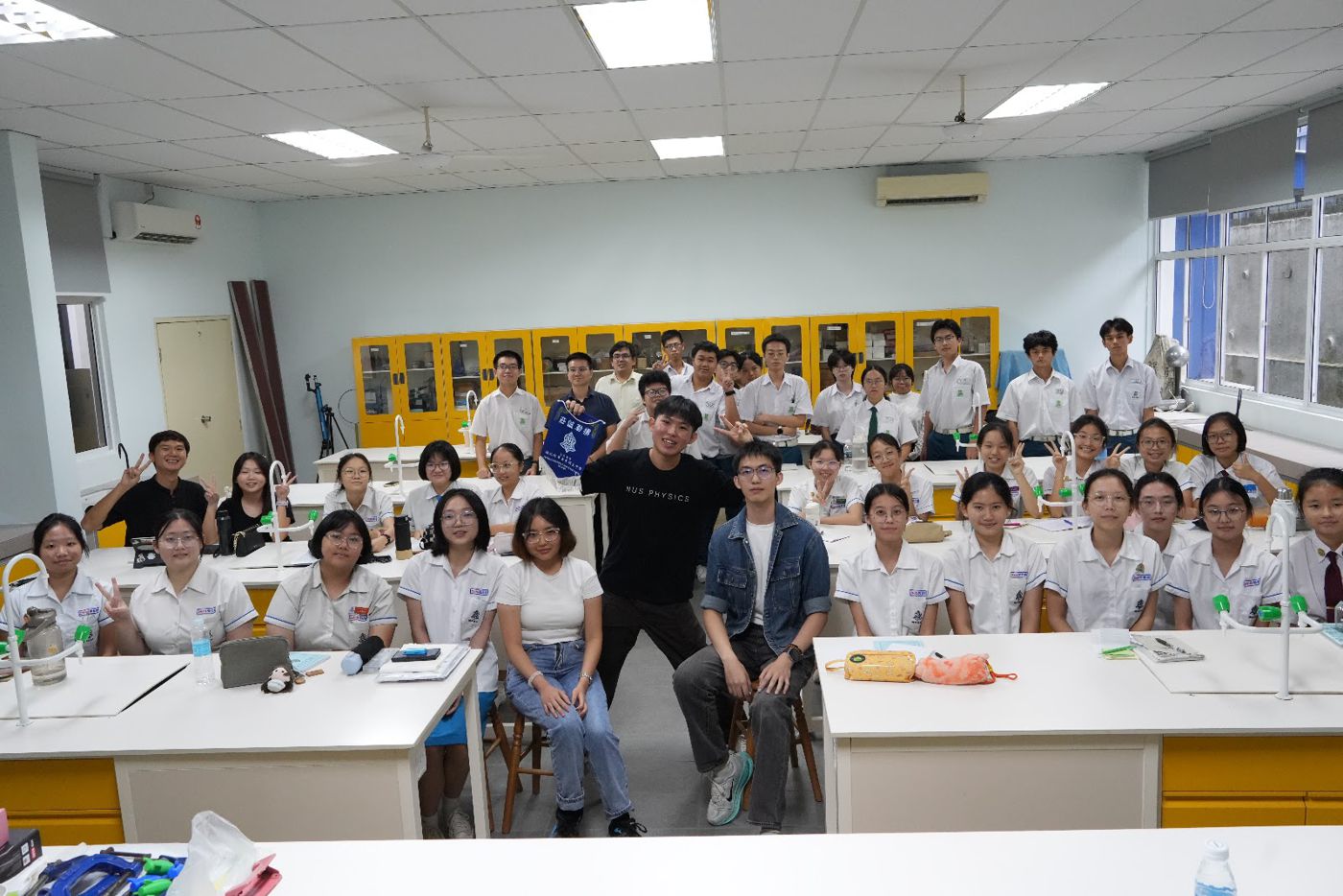
Many Malaysian high schools produce academically strong students who sit outside most science outreach. The material is elsewhere. The mentors are elsewhere. Almost all of it is in English. A student can be entirely capable of understanding quantum science and still never be told it is an option.
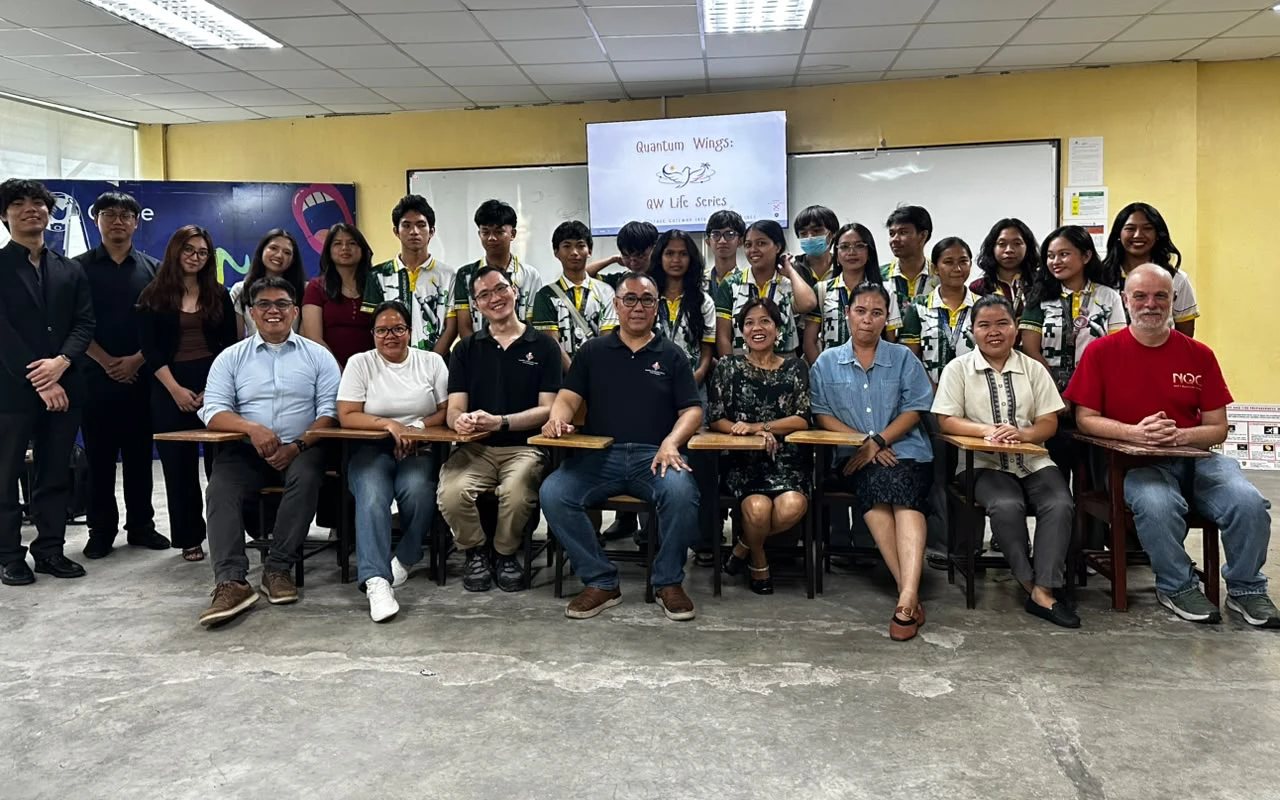
Tan Chun Loong went to Foon Yew High School, and only after leaving did he see how wide that gap was. In 2025 he took part in the Quantum Education Summit run by ICFO in Barcelona. A conversation with Dr. Choong Pak Shen afterwards pushed him to build it. Preparing the first sessions took close to a year, and the first stop was his old school. So far, Quantum Wings is fully self-funded.
Quantum Wings exists so that the students coming after do not have to find it by accident.
The student we are building for
Not a lack of ability. A narrowing of it.
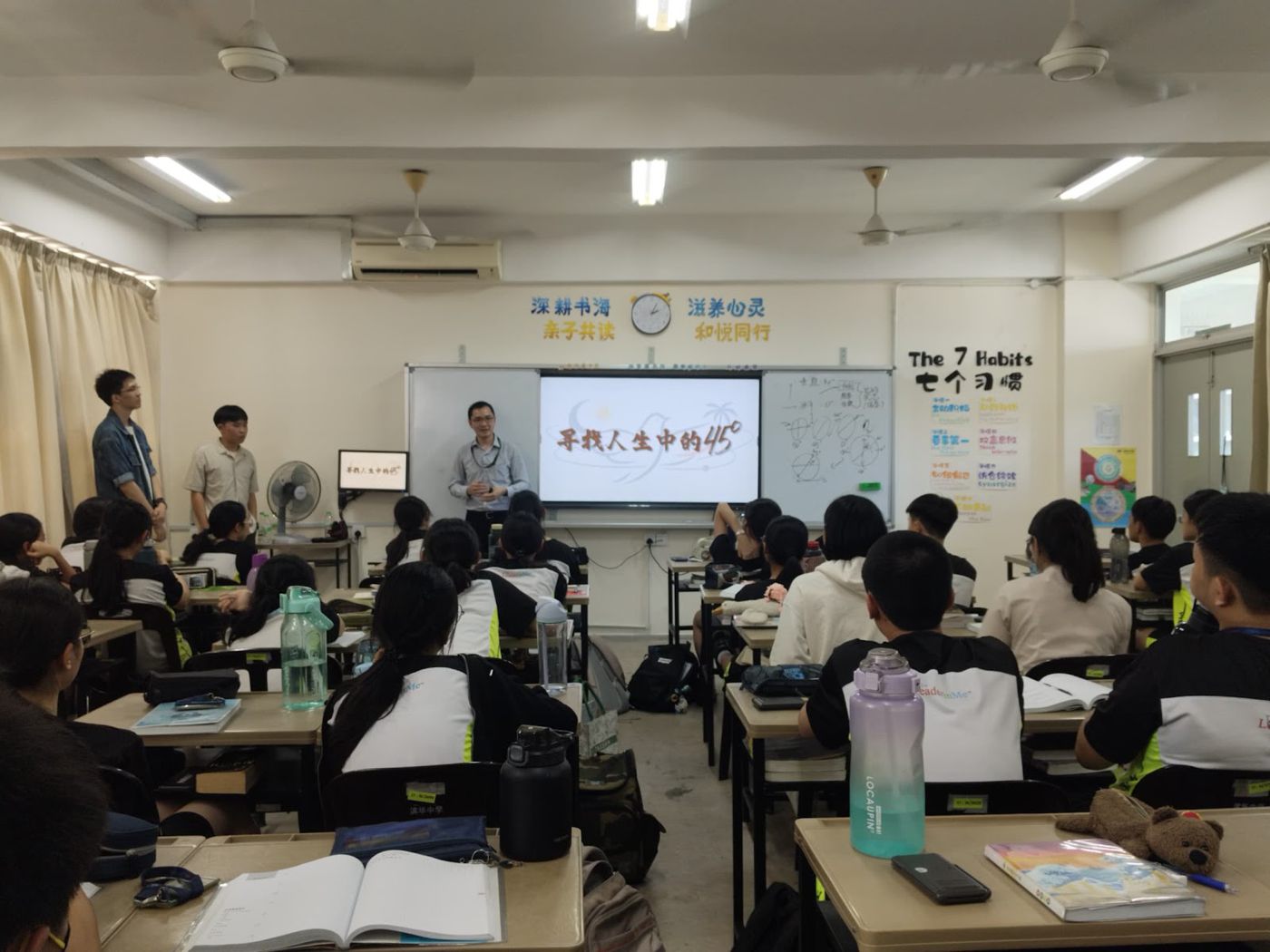
Entry to schools like Foon Yew is gated by an admission exam, and the top scorers go into the top streams, where tuition, enrichment classes and family time compound quickly. PISA 2022 puts the gap in mathematics between advantaged and disadvantaged students at roughly ninety points, more than two years of schooling.
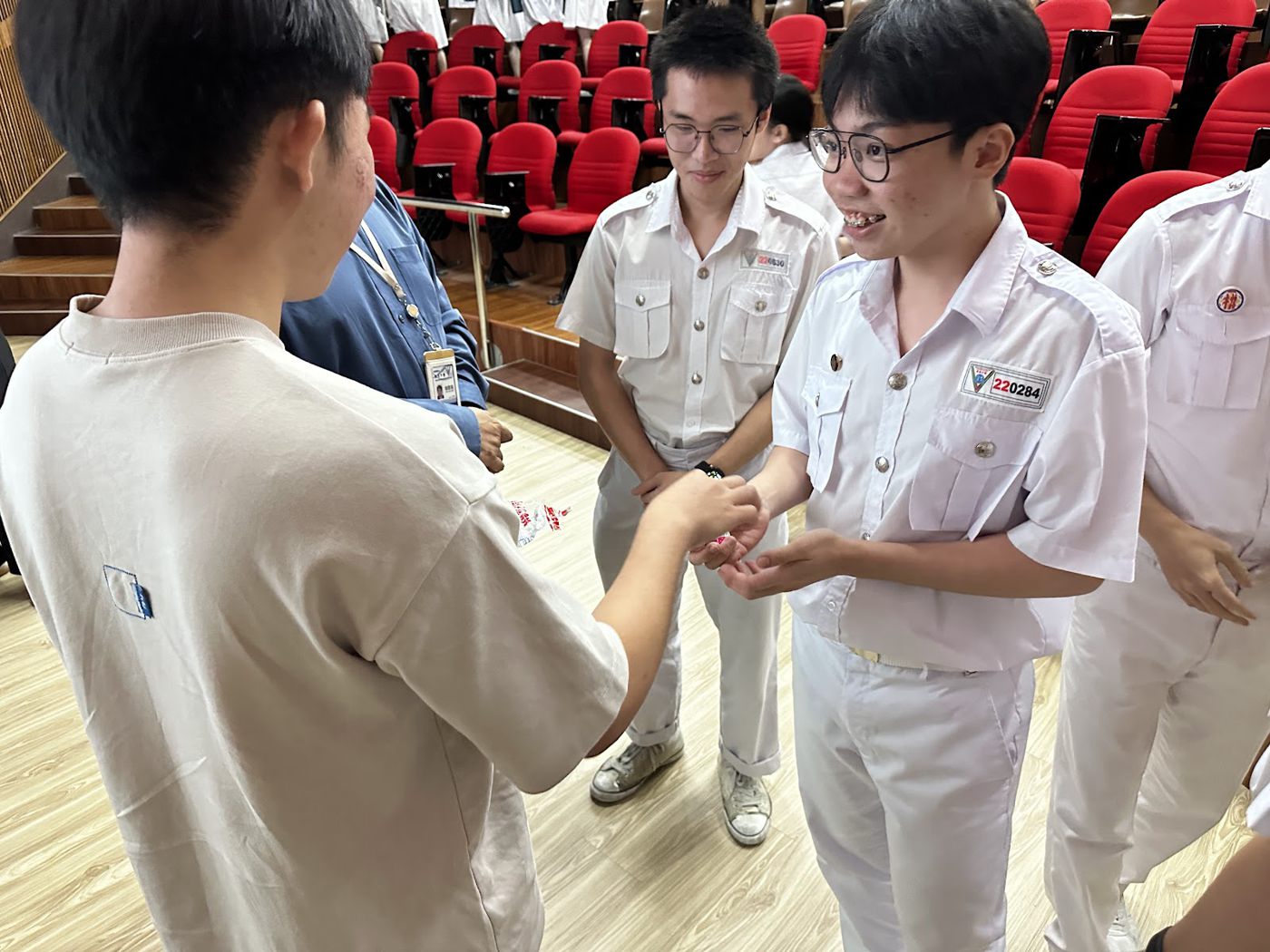
The result is a culture of not falling behind on any visible measure. Weekends fill with tuition, identity forms around exam rank, and there is little room left for curiosity that does not score. These students are responding sensibly to the incentives in front of them.
Once students are sorted into streams, their sense of who they are hardens around that sorting. Before stream selection, it is still open. That window is narrow, and it does not reopen.
Where we started
We started where the door was open.
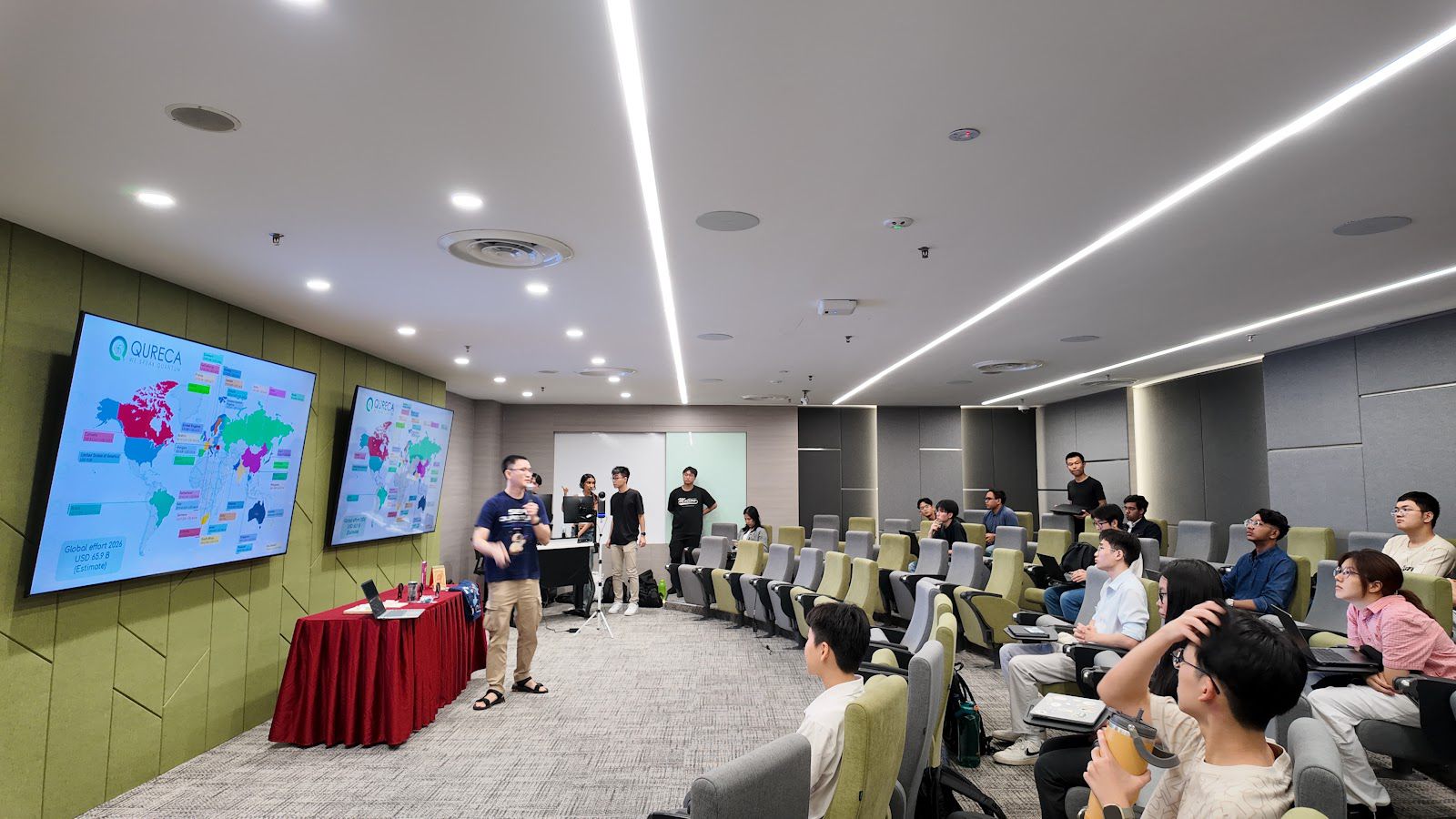
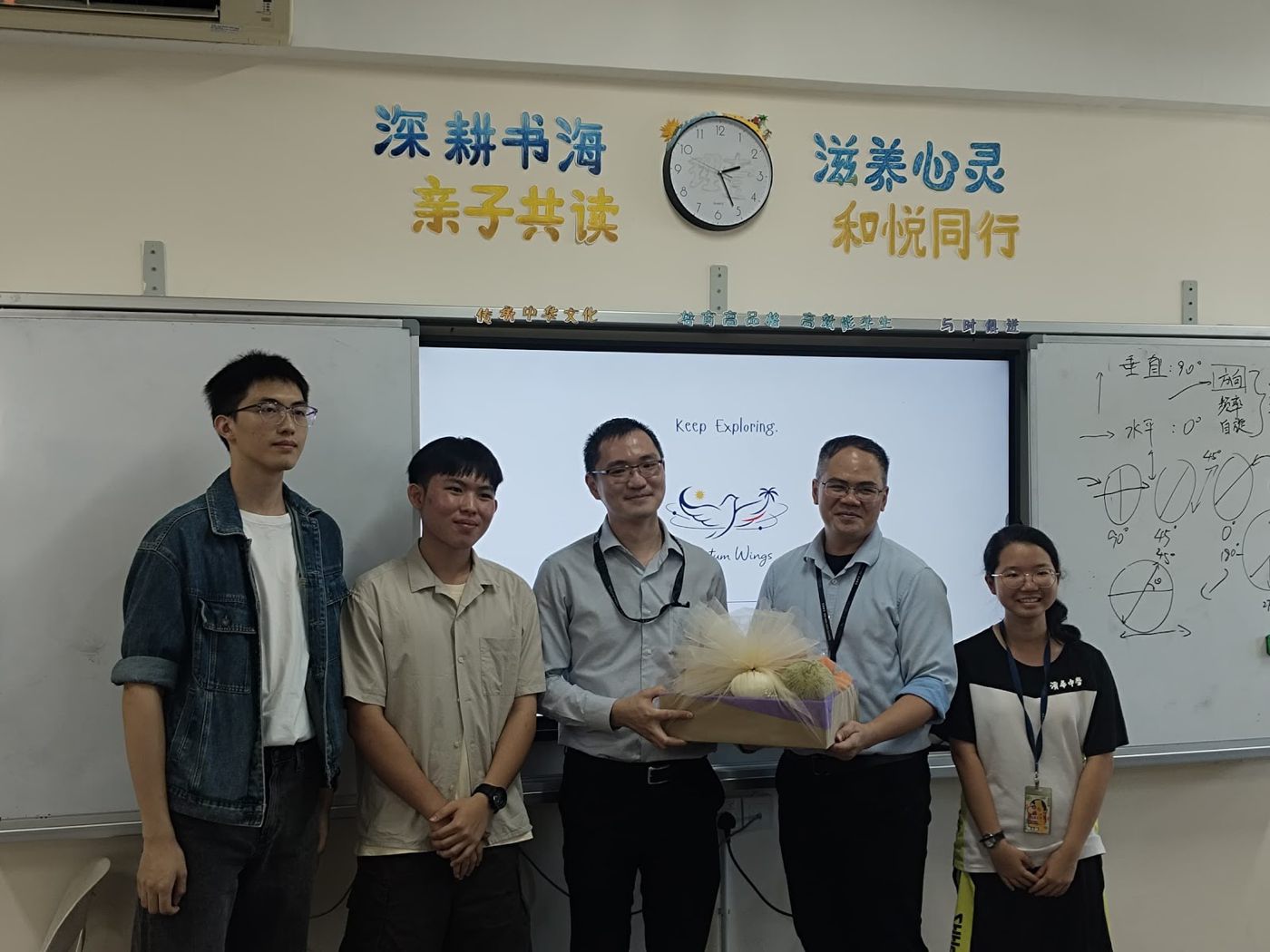
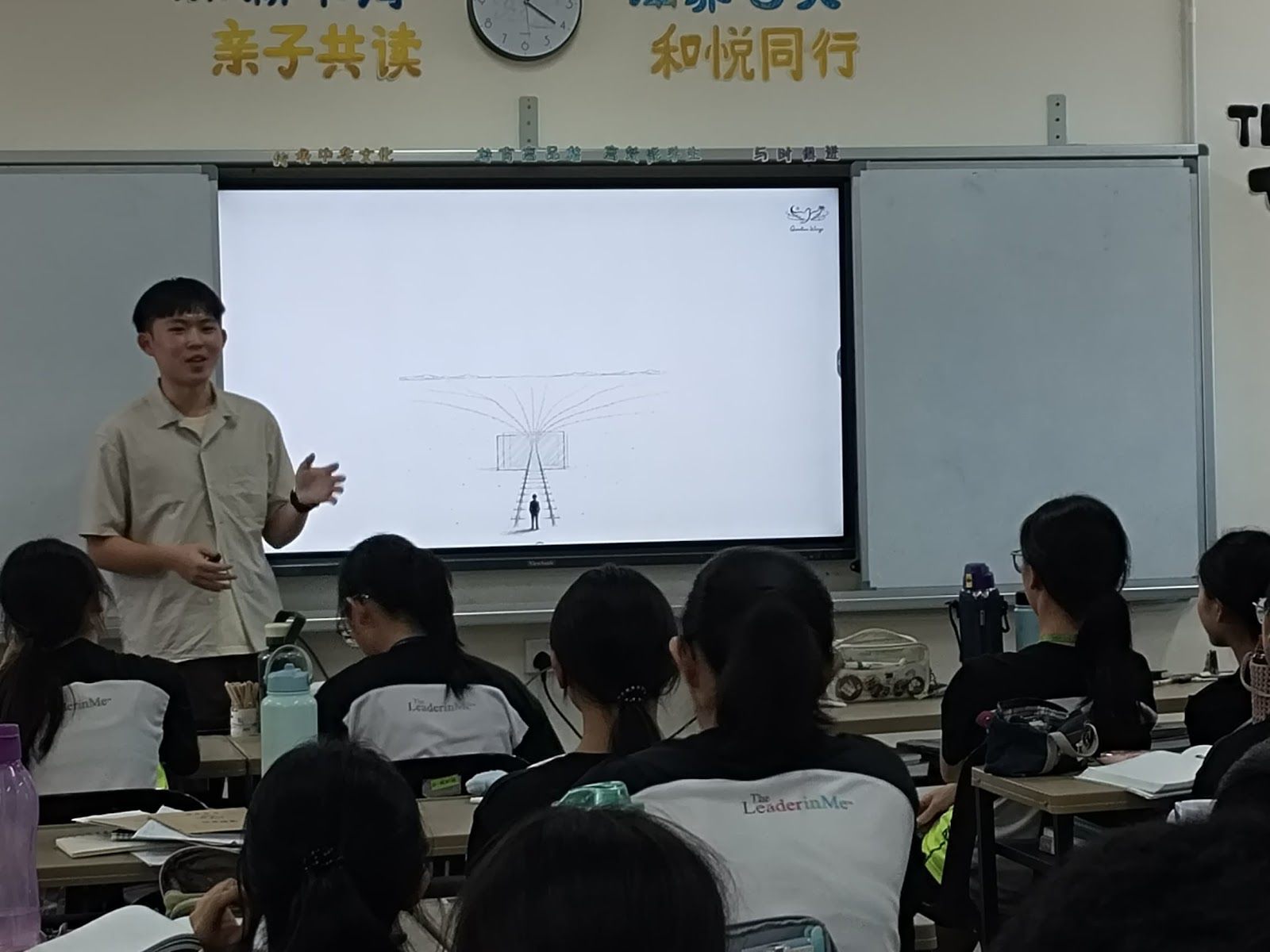
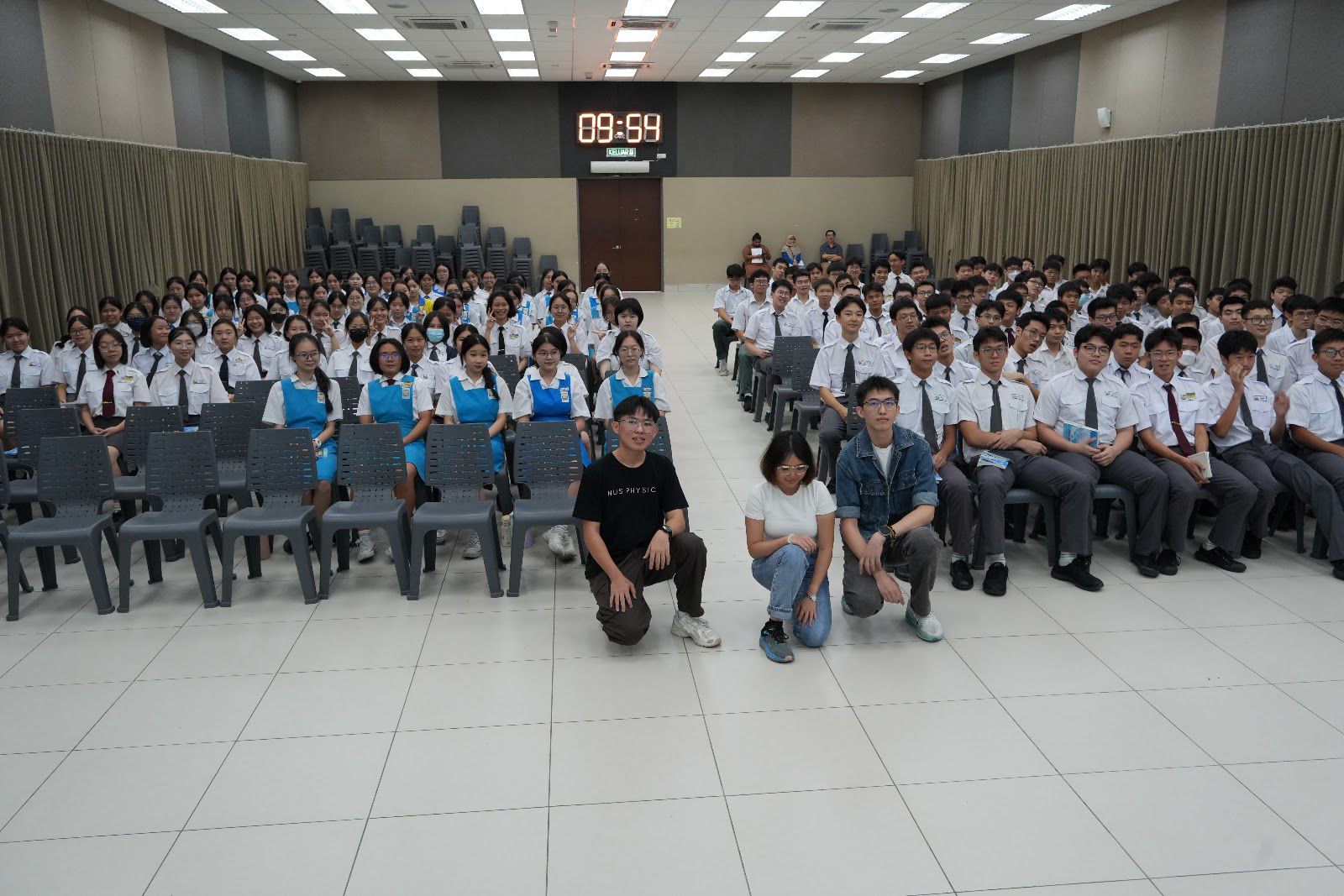
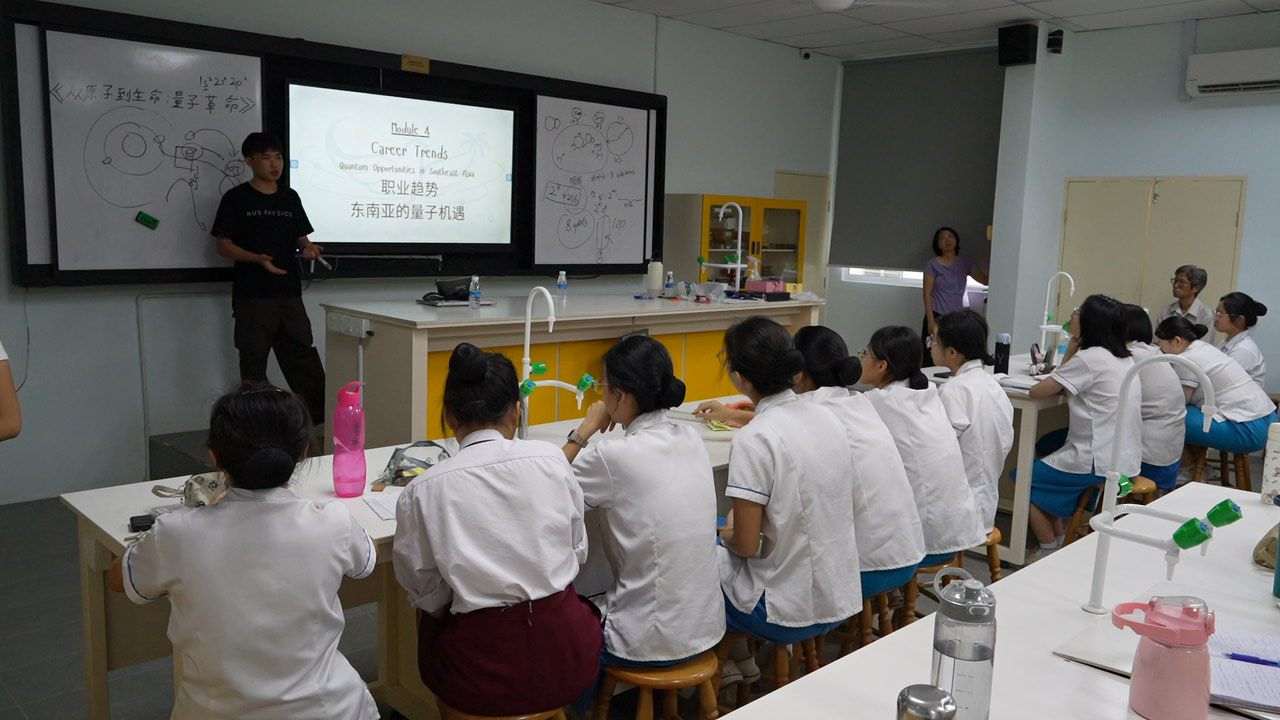
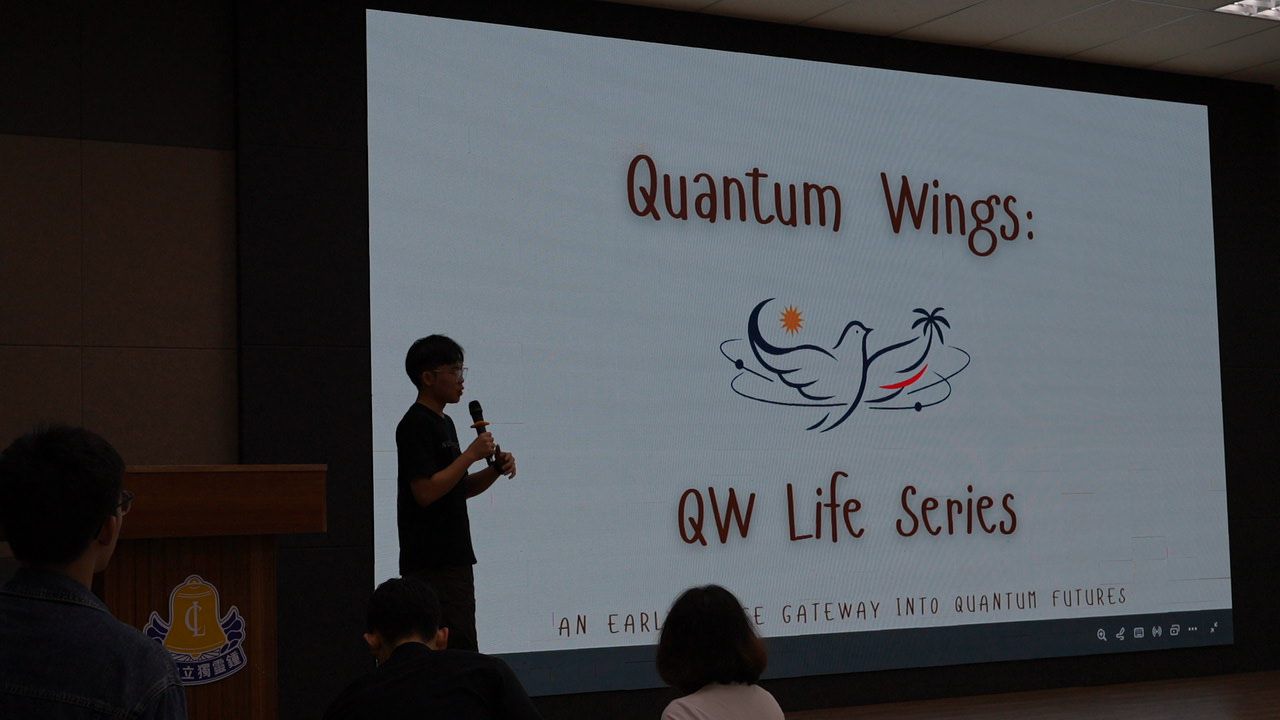
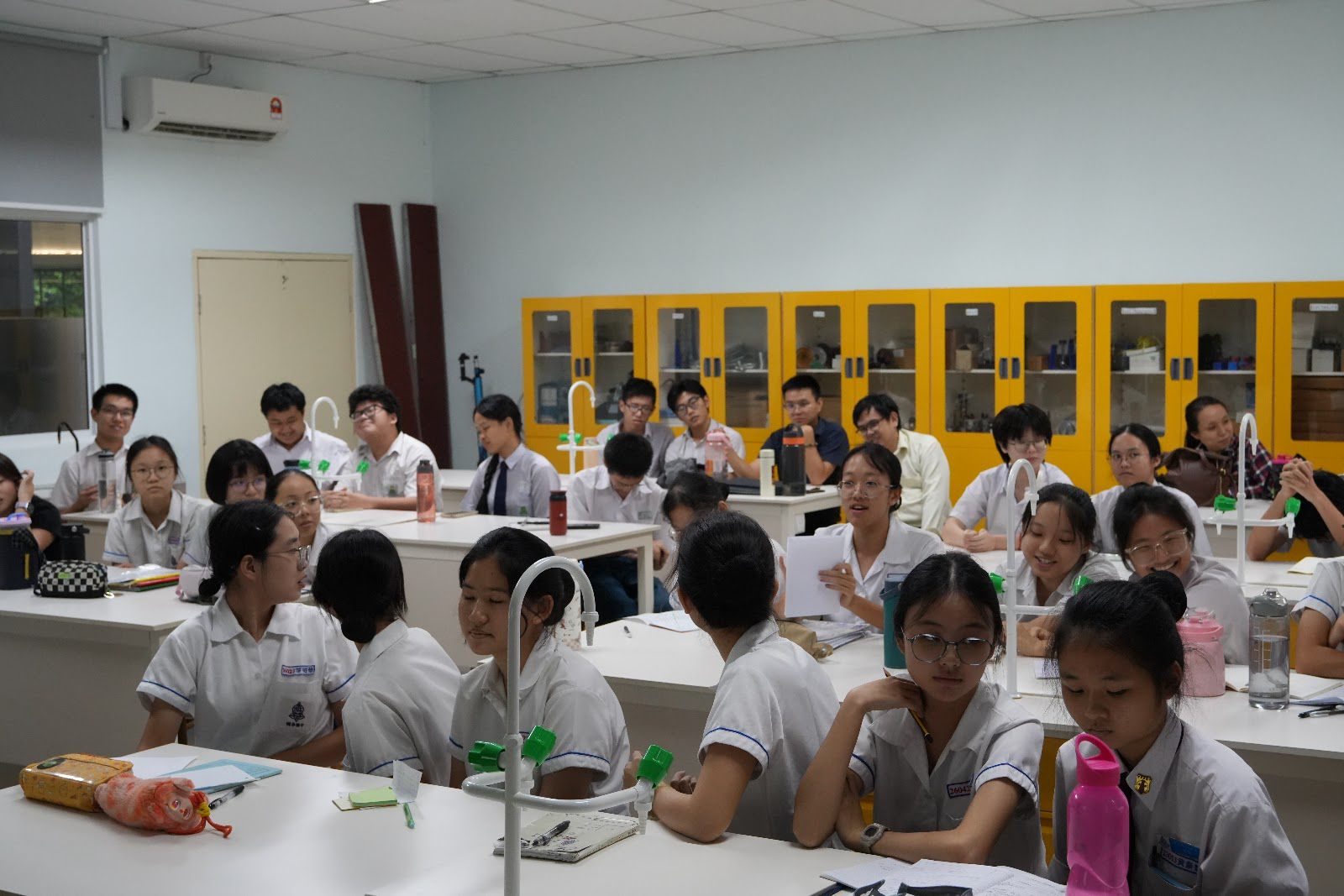
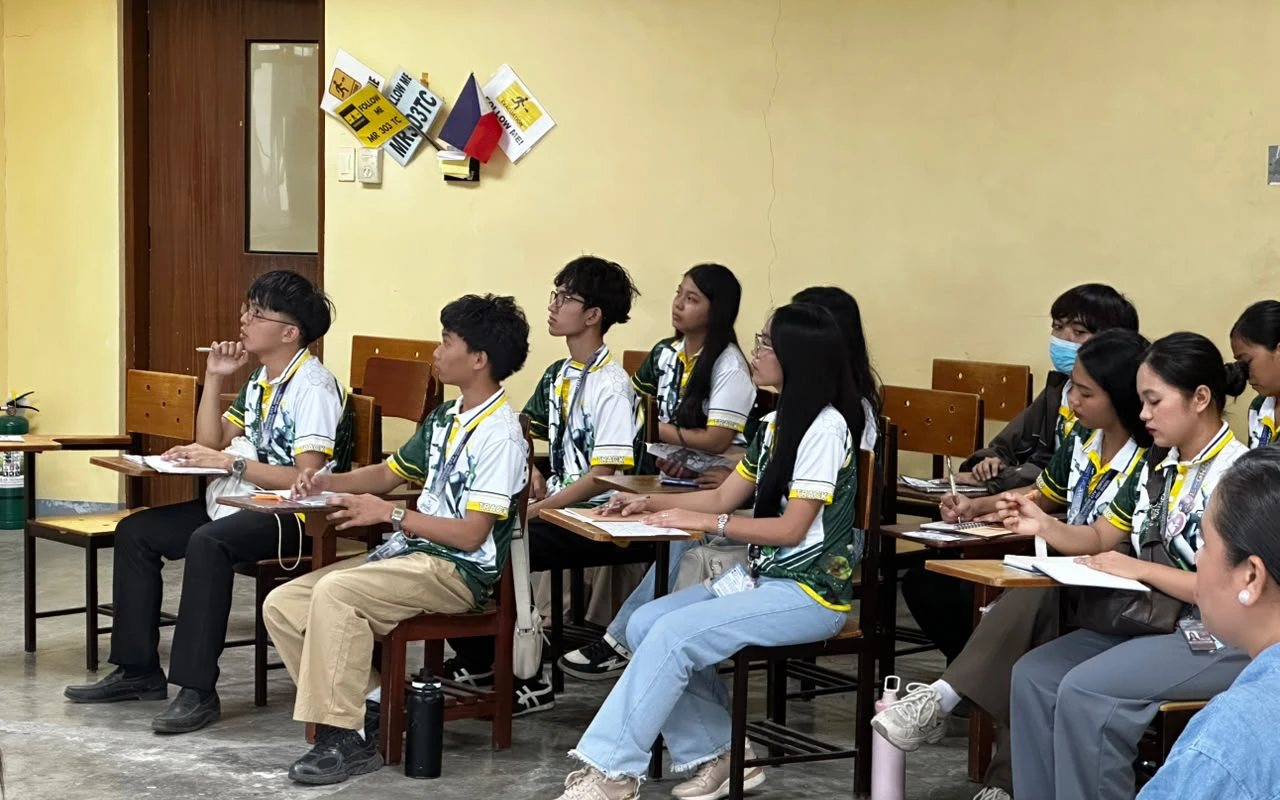
We started in schools we knew. Our first sessions ran in high schools in Johor Bahru, Klang and Penang, where a small team could talk to one school administration directly.
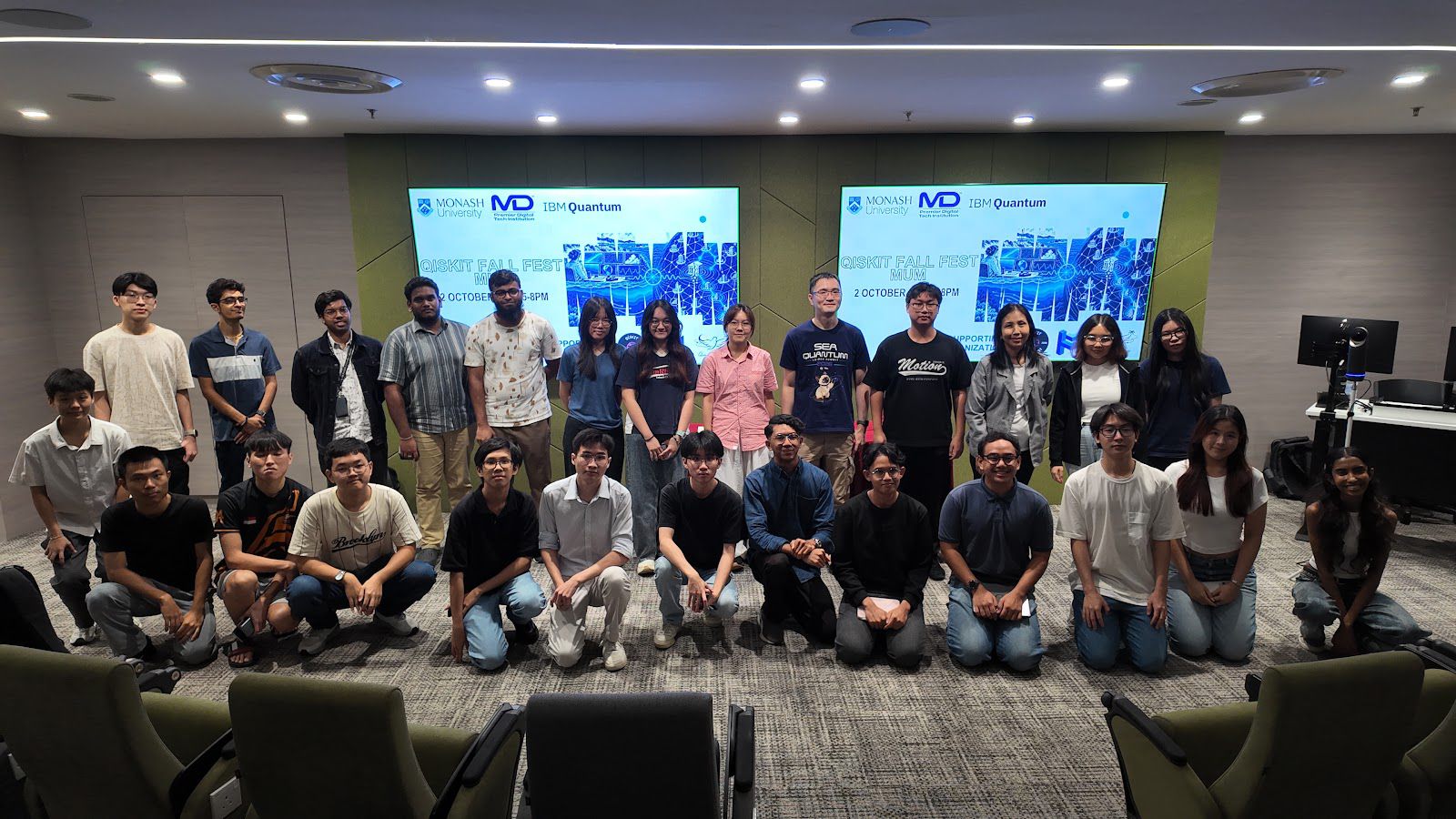
That was a first foothold, not a ceiling. With TPSS we are opening to students from any high school, pre-U or university, in Malaysia and beyond.
The quantum divide
Three walls, and what answers each.
“Quantum divide” is a term already used in industry writing. We use it for three separate problems, because each needs a different response.
Curriculum lag
Quantum technology moves faster than any national syllabus can follow. Students ready for it never see it.
QW HubThe psychological wall
Students rule themselves out before trying. “Too hard, not for someone like me” closes a door earlier than any exam.
QW LifeUnequal access
Serious quantum material is almost all in English and assumes a mentor, a lab or a nearby university.
All three programmes, and teaching in Mandarin
Why Mandarin
The language barrier is ours to lower, not the student’s.
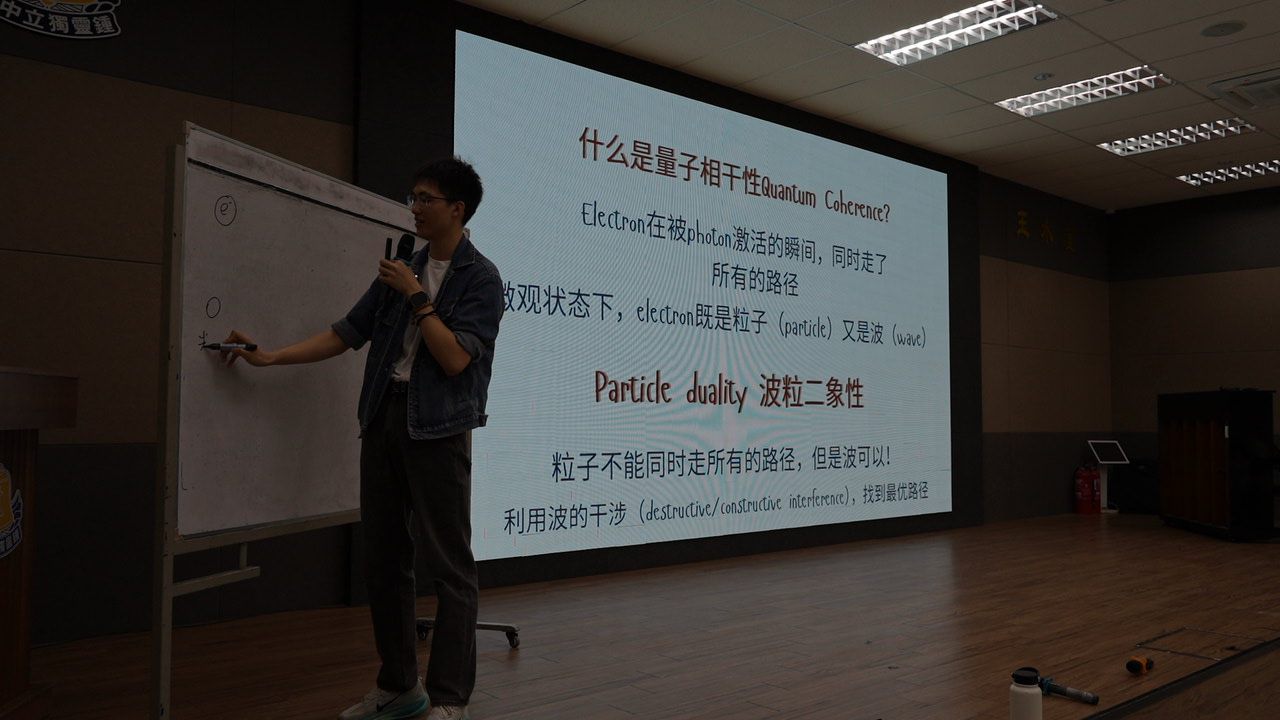
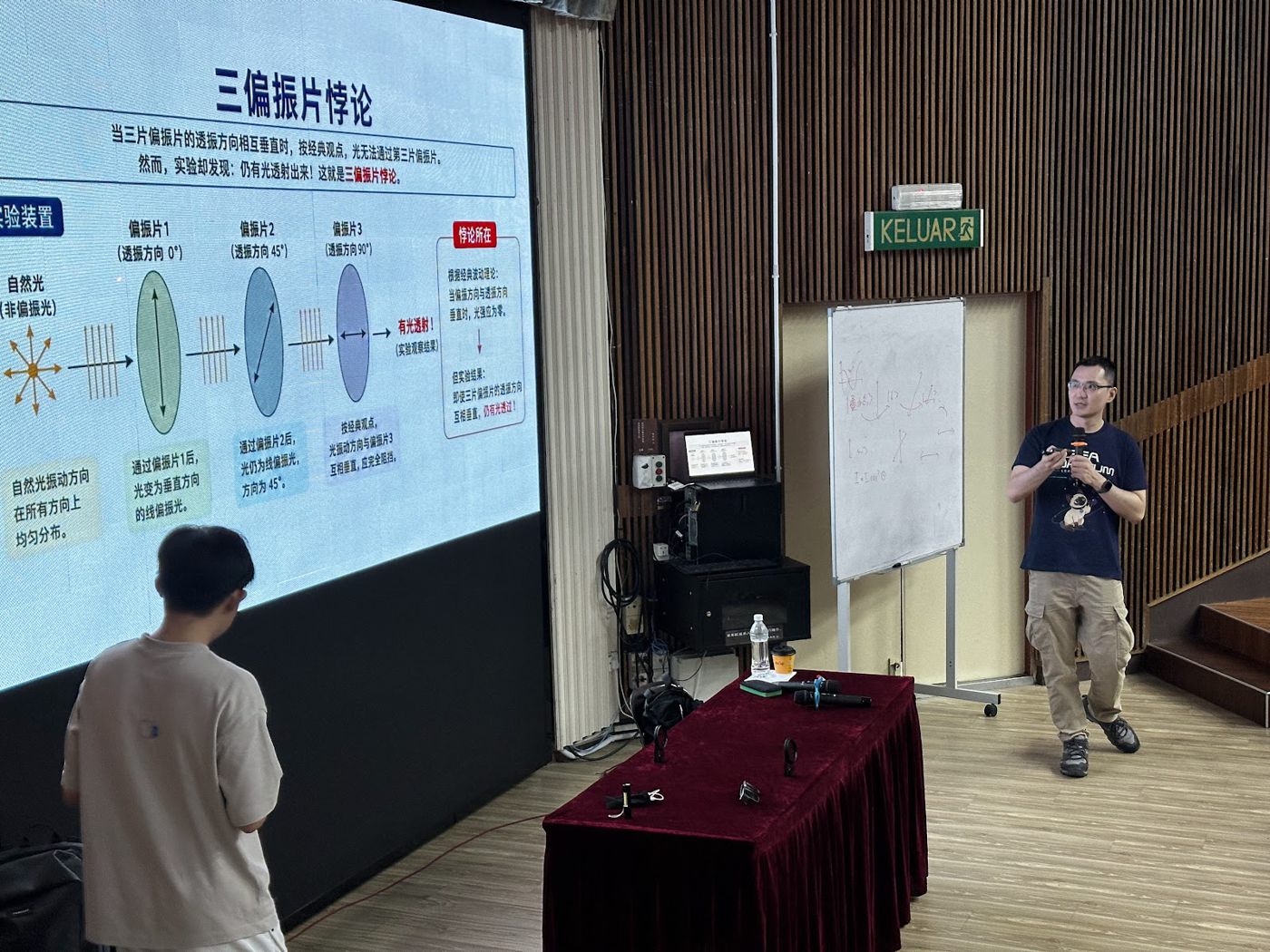
The invisible gate
Almost every quantum resource is built in English, by default rather than by design. Students with strong English get in first, whatever their aptitude for physics.
Load that multiplies
Meeting superposition for the first time is hard enough. Decoding unfamiliar English at the same moment does not add to that difficulty. It compounds it.
Built natively
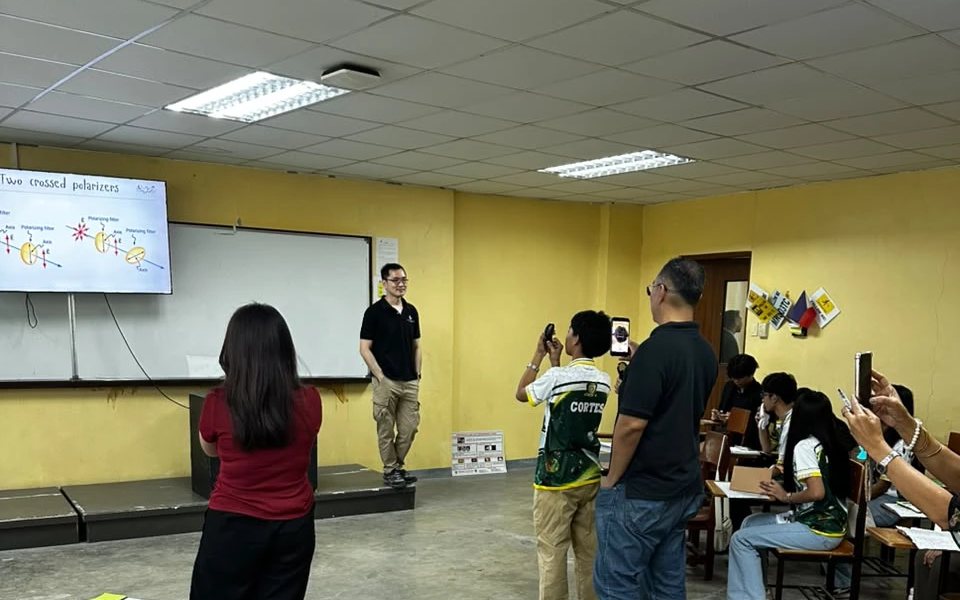
We design explanations and analogies in Mandarin from the start. Translation keeps the structure of the original language and often lands flat.
To our knowledge, structured quantum programmes in Mandarin for high school students are close to nonexistent.
Education after knowledge scarcity
AI made explanations cheap. Three things are still scarce.
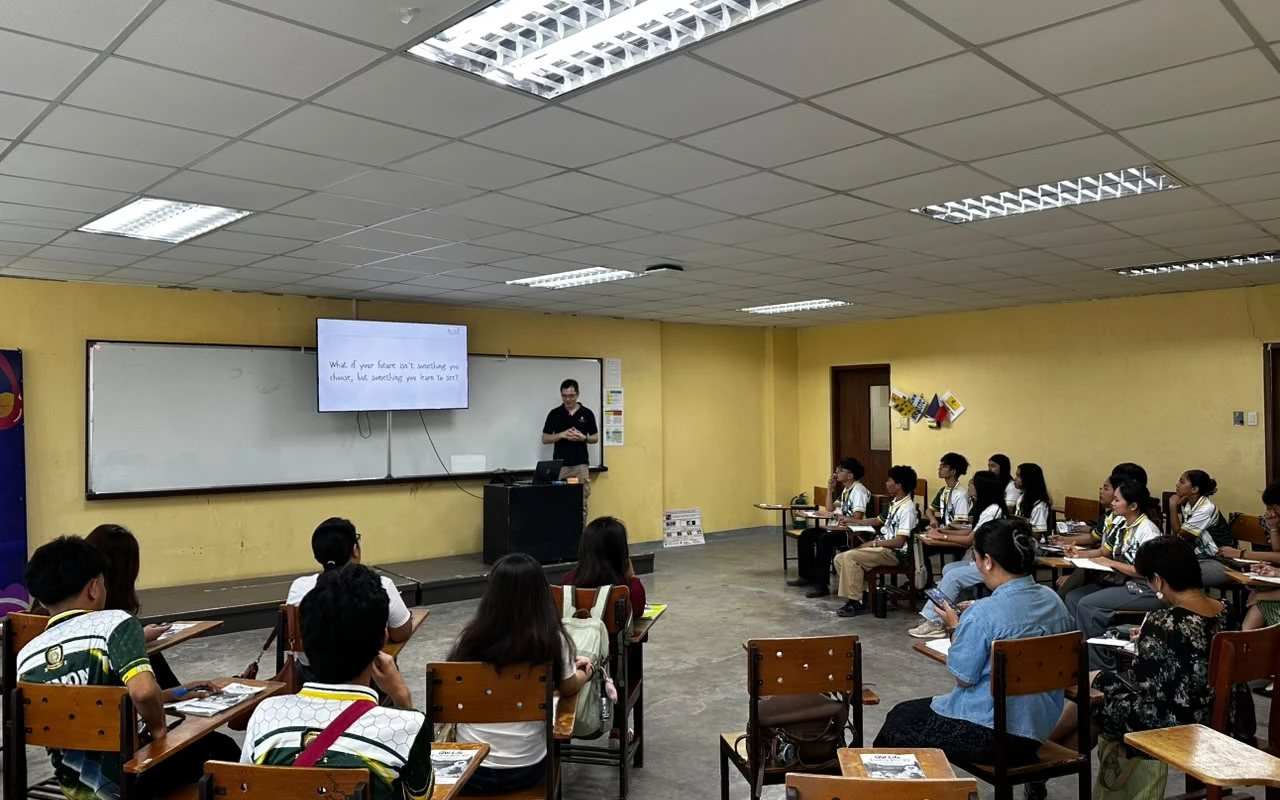
Direction
AI can answer any question, but it cannot make a student want to ask one. Curiosity still needs a person or a deliberately designed moment to start it.
Discernment
When information is everywhere, the skill is judgment: which question is worth asking and which explanation to trust. That is learned by watching people who already have it.
A reachable example
Teenagers decide what to pursue partly by who they see doing it. A speaker close in age and background turns information into possibility.
0 → 1
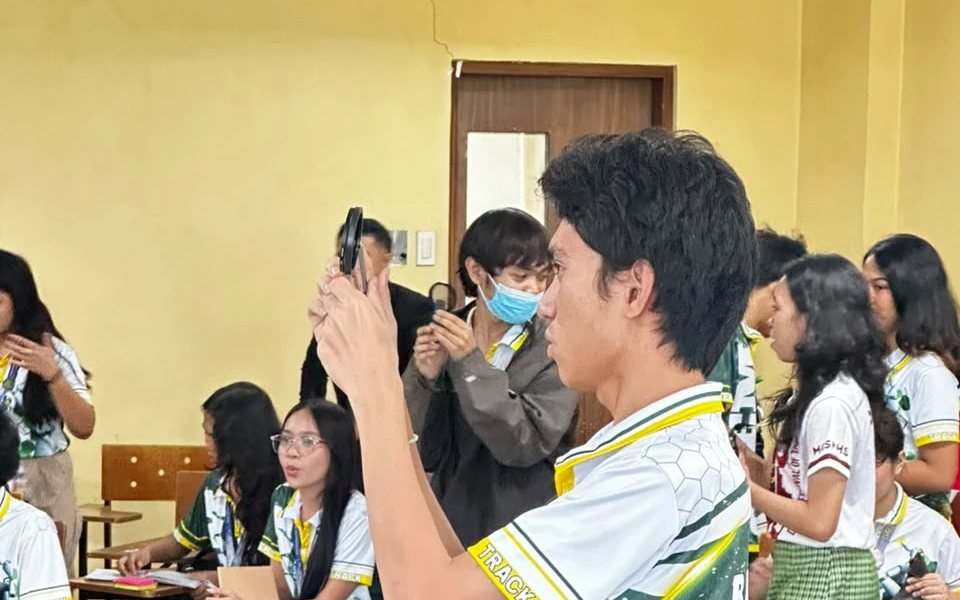
A tutoring centre works on 1 to 100. A university works on 10 to 100. We work on 0 to 1.
The move from “this is not for me” to “I want to understand this” is the highest-leverage point in learning, because nothing downstream helps a student who never reaches it. After that, the student leads, with tools that are now free.
Why high school
Glass that is still warm can be shaped. Once it cools, reshaping means breaking it first. High school students are warm glass.
How we measure ourselves
Conversion, not headcount: did a student who had never engaged with quantum science start seeking it out on their own?
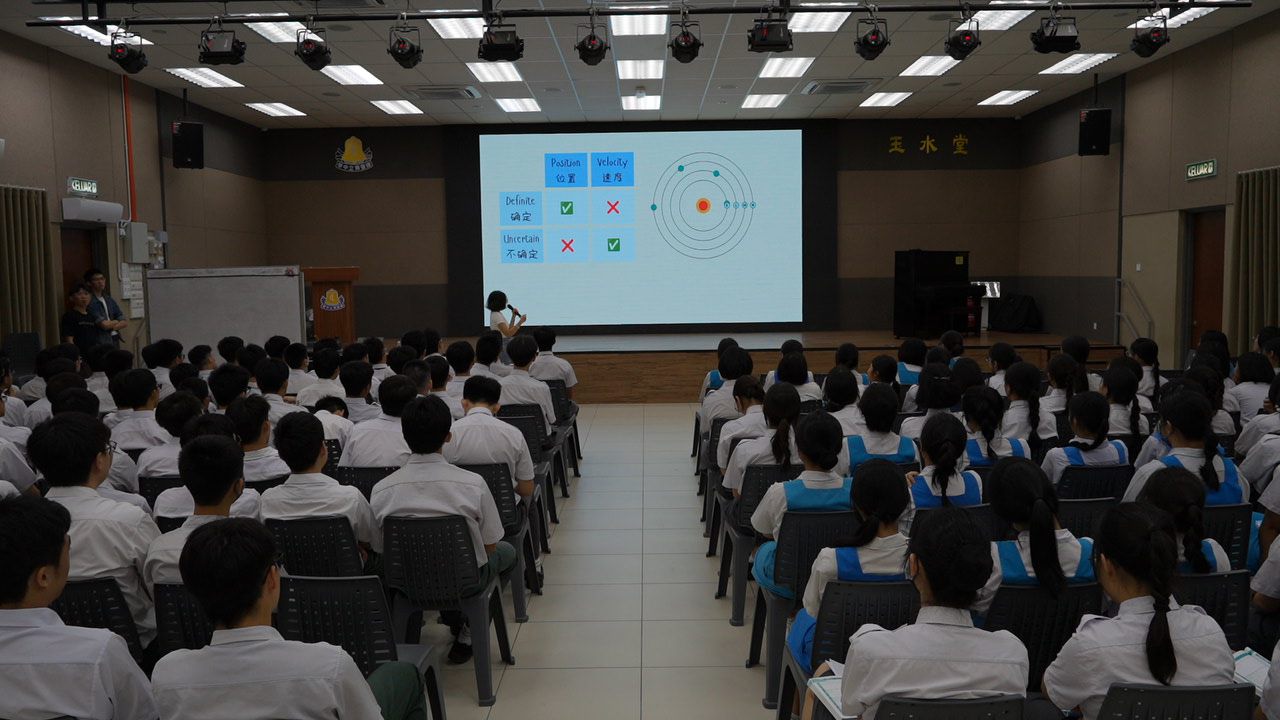
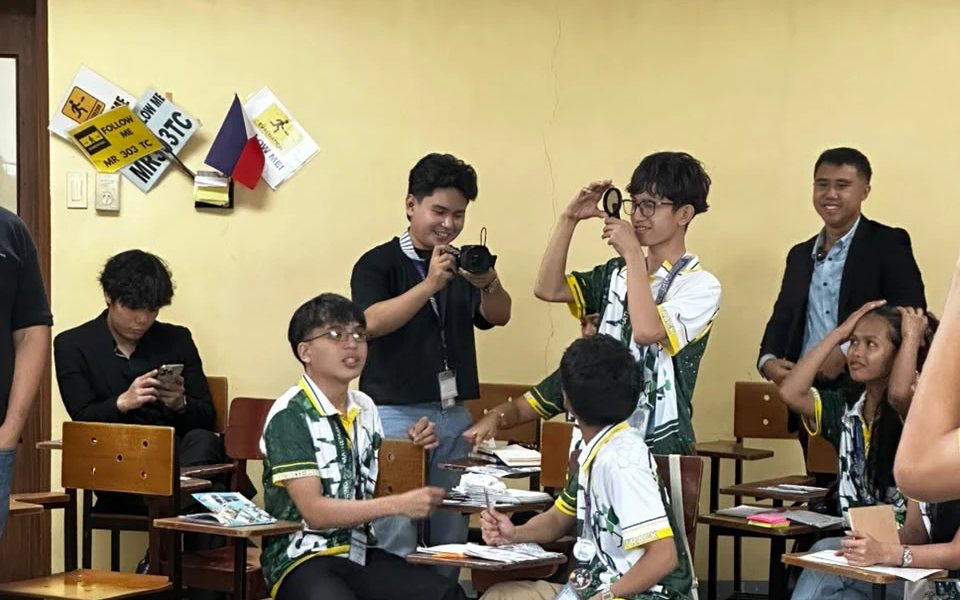
That might be AI-assisted self study, open courseware, or a further QW programme they chose for themselves. If it happens, we succeeded. If not, we redesign the session rather than extend it.
We do not yet have a validated way to measure this. Until we do, the only numbers on this site are reach figures.
What we have learned
The science was never the hard part.
Framing
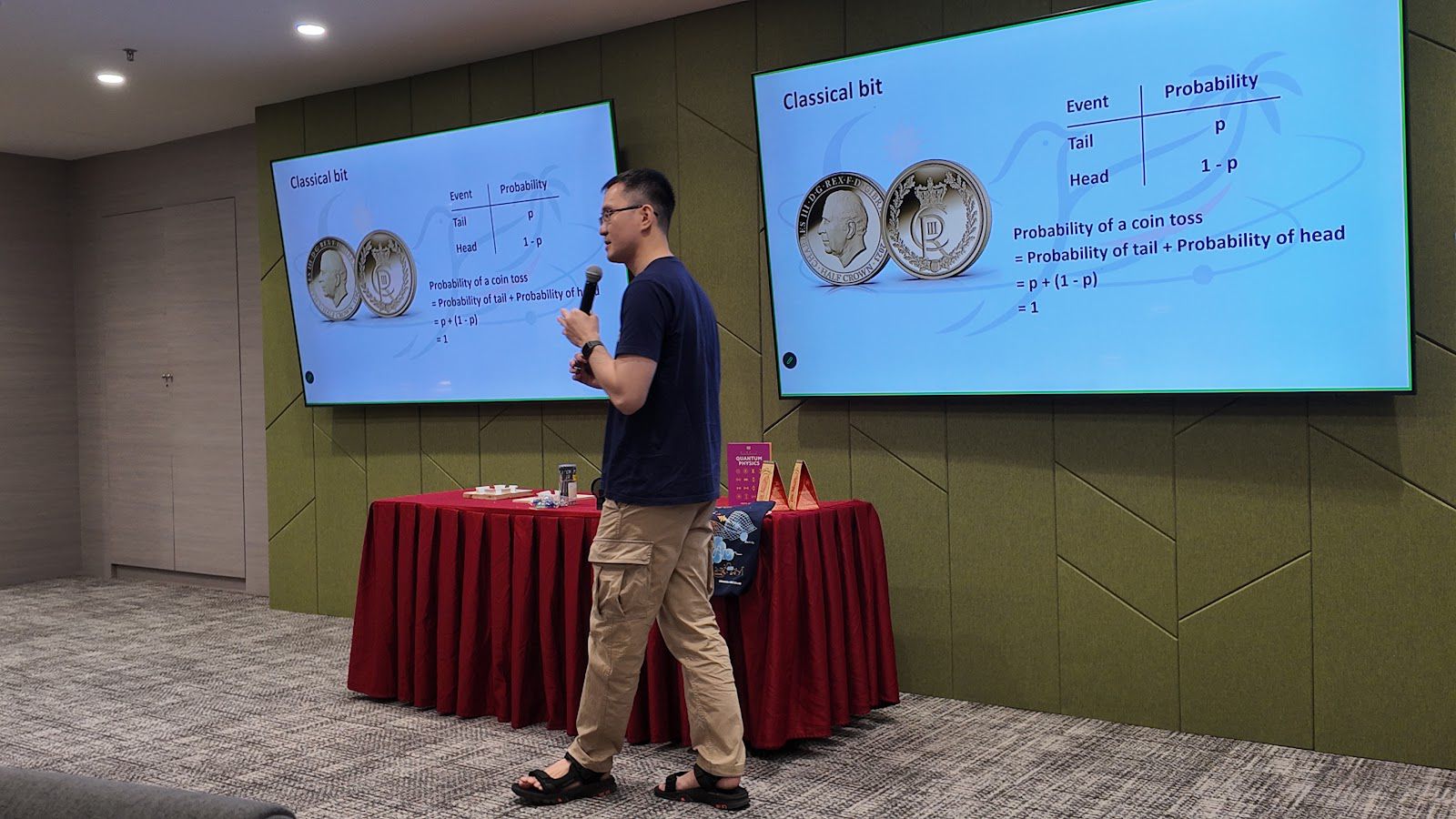
The same demonstration can feel like magic or like homework. How we frame it decides which.
Questions
A good sign is not a silent hall but questions that do not stop. The best often come from students who thought this had nothing to do with them.
One line cut
Students asked us to stop saying “you don’t need to know this”. It is gone from our script.
Legacy and obligation
取之社会,用之社会
Drawn from society, returned to society. Malaysian education has long relied on community leaders such as Tan Kah Kee and Tan Lark Sye, who treated it as a shared obligation. We benefited from that, and we are directing our effort back into it. The content has changed. The debt has not.

The people
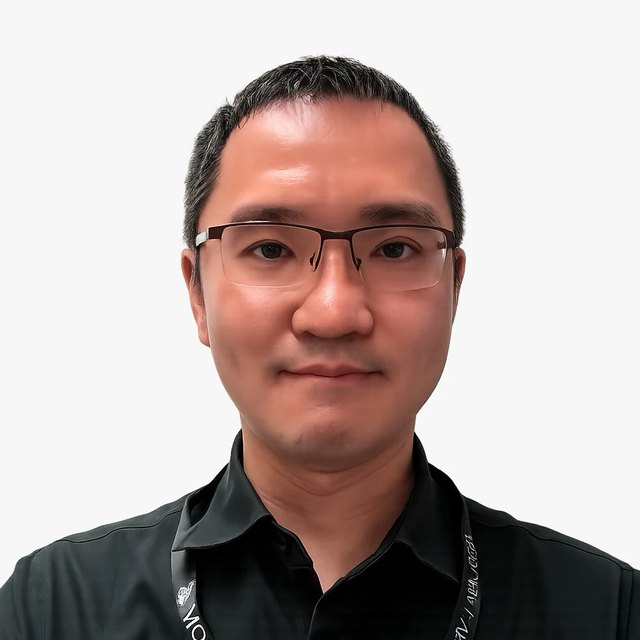
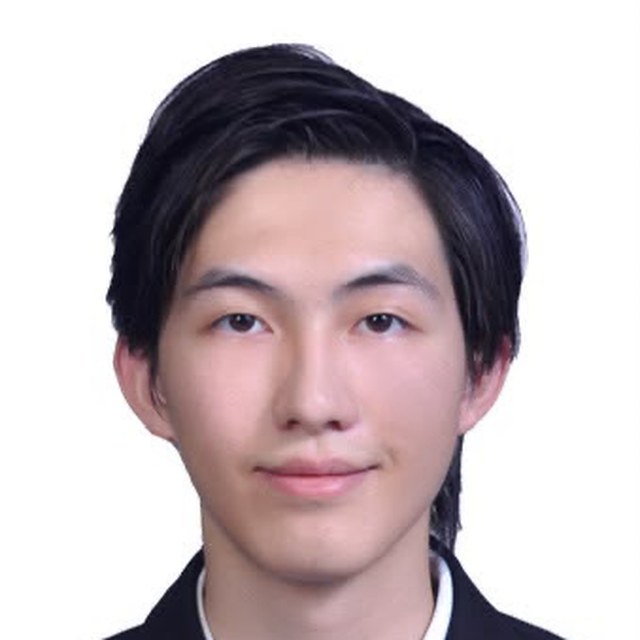
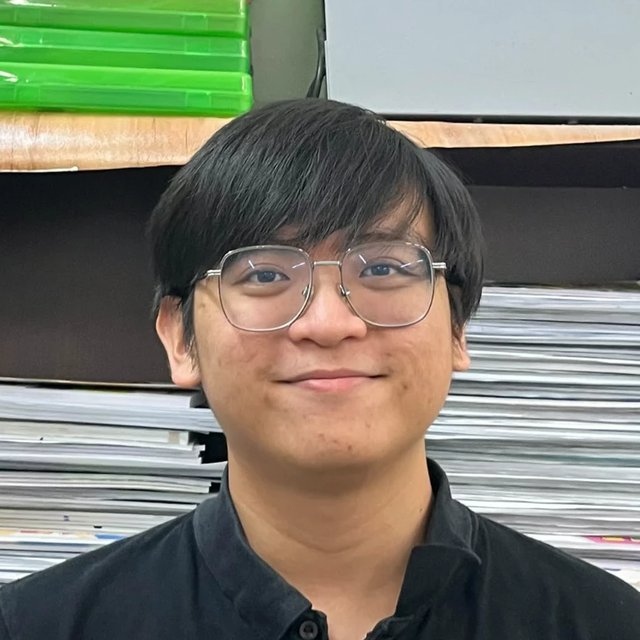
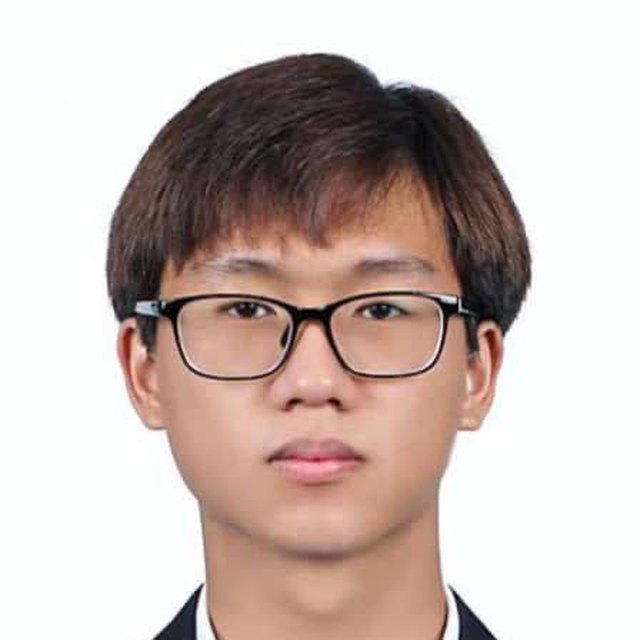
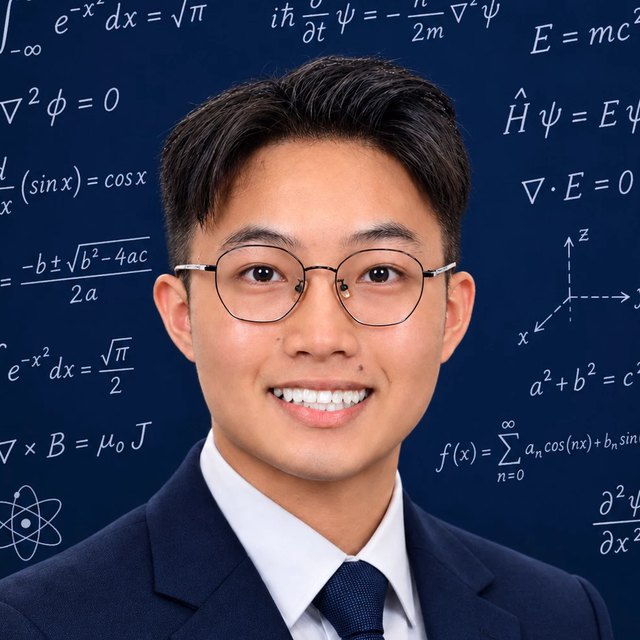
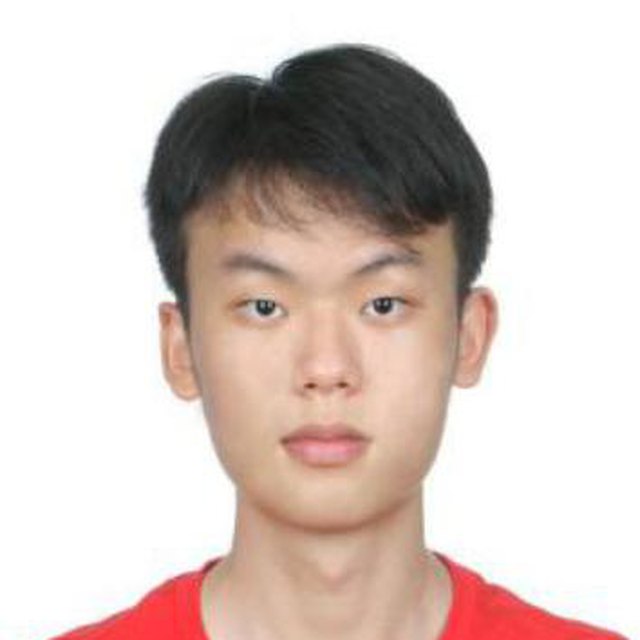
Quantum Wings is run by students and researchers across Malaysia and Singapore.
Meet the teamSources
- Cheng, C.-Y., & Wee, S. X. R. (2021). Kiasu (fear of losing out). International Perspectives in Psychology, 12(2).
- Legette, K. B., & Kurtz-Costes, B. (2021). Curricular tracking, students’ academic identity, and school belonging. Journal of Early Adolescence.
- OECD (2023). PISA 2022 Results (Volume I).
- Identifying as a “STEM person” (2025). Journal for STEM Education Research.
- English medium instruction: expanding notions of English hegemony and colonization (2023). Springer Nature.
An early-stage startup, founded in December 2025. It is not yet a registered company, and registration is under consideration. We do not take donations. TPSS 2027 is our first paid pilot: the fees help Quantum Wings sustain itself, and the season tests how much interest there is in theoretical physics.